


Well prepared to enter clinical practice
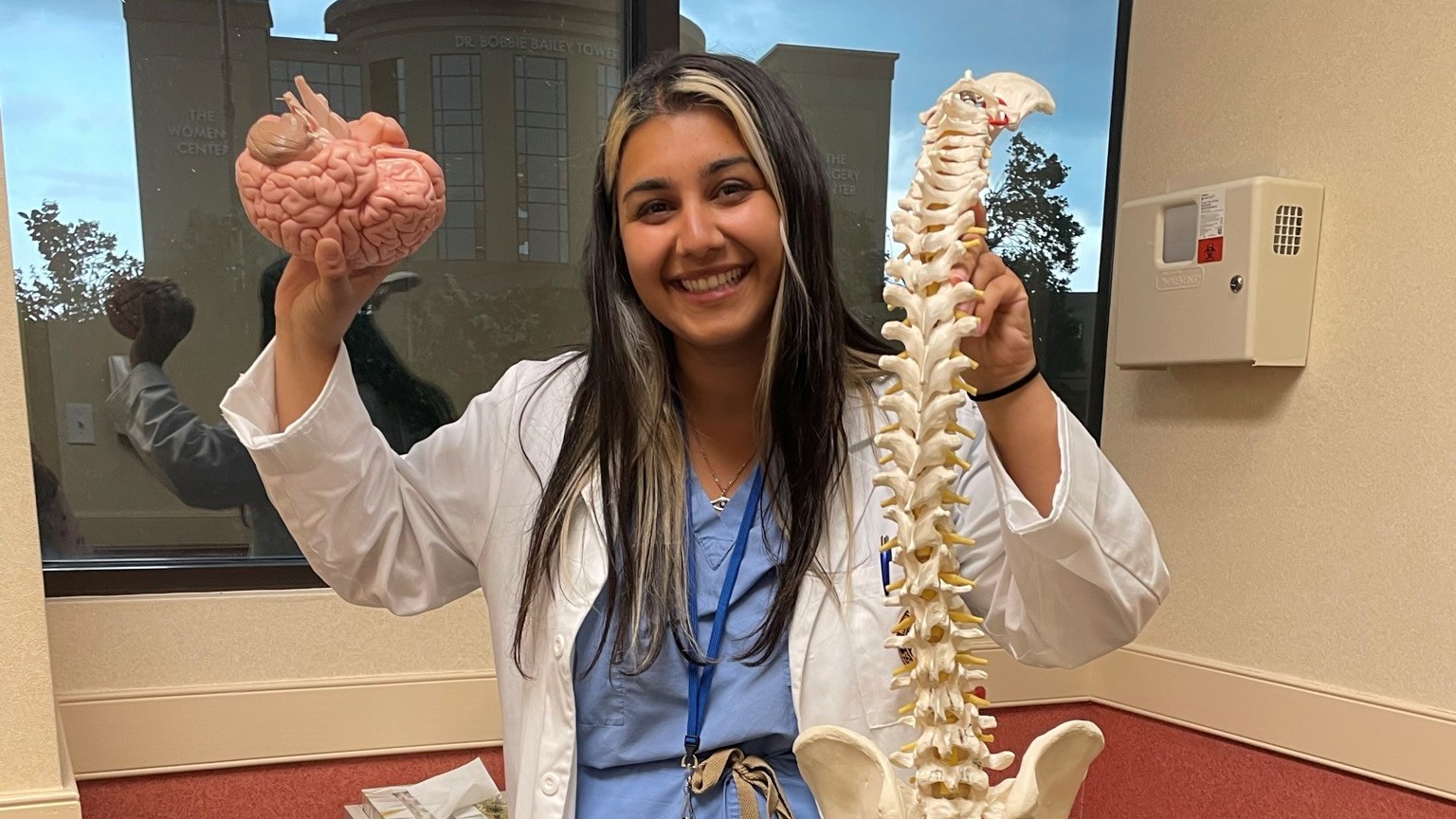
In the exit survey of the classes of 2024 and 2025, an average of 91% of graduates agreed or strongly agreed that Emory PA prepared them for clinical practice, 93.5% agreed or strongly agreed that the program prepared them to deliver compassionate care, and 92.5% felt the program prepared them to practice in a team-based environment.
High-quality education
The Emory PA curriculum is taught by highly qualified and experienced clinical educator faculty with over 100 years of combined experience in PA education among the principal faculty. The program also attracts expert lecturers from the broad Emory community, and the region. In the exit survey of the classes of 2024 and 2025, an average of 92.5% of graduates were satisfied or strongly satisfied with the quality of education at Emory PA program.
Evidence-based curriculum
Evidence-based medicine is an integral component of the Emory PA curriculum. Students matriculate in an epidemiology/biostatistics course (PAE 7002) in the second semester and learn key concepts to interpret medical publications. Building on these concepts and coordinating with modules, the focus of this skillset is to interpret evidence to support and guide clinical decision making. Clinical year students apply this skillset to develop thesis projects and may submit these works to research competitions. In the exit survey of the classes of 2024 and 2025, an average of 96% of graduates agreed or strongly agreed that the Emory PA program prepared them for evidence-based primary care.
Dynamic clinical training opportunities
Clinical training begins during the didactic phase, where students engage in structured experiences with standardized patients and simulation-based learning. Each disease module is paired with real-world clinical exposure: for example, during the cardiology module, students study heart failure in class, participate in a related simulation, and later visit an inpatient unit to evaluate a patient with heart failure. This integrated approach supports progressive skill development and reinforces clinical concepts through direct application.
In the clinical phase, students have access to over 170 preceptors, and work in a wide range of healthcare delivery systems, including academic medical centers, community hospitals, rural clinics, urban institutions serving medically underserved populations, private practices, and the Atlanta Veterans Affairs Medical Center. Some rotations take place in predominantly Spanish-speaking sites, and all students participate in service opportunities with underserved communities. Grady Memorial Hospital, a key training site, serves a diverse patient population from Africa, the Middle East, South and Central America, and Eastern Europe. Students at Grady work with onsite interpreters or use language line services that support over 50 languages.
All students complete core rotations in Emory-affiliated hospitals or academic healthcare centers, along with a required rotation in either a rural or urban medically underserved area to ensure exposure to a broad range of clinical environments and patient populations.
The program offers two elective rotations across more than 100 sites, allowing students to explore career interests or strengthen specific knowledge areas. Elective options span a wide range of medical and surgical subspecialties - from pediatric emergency medicine and adult hematology/oncology to trauma surgery and intensive care. A competitive Academic Medicine elective is also available for students interested in education and research.
Exit surveys from 2024 to 2025 showed that 86% of graduates were satisfied or strongly satisfied with the diversity of clinical rotations.
Academic Support
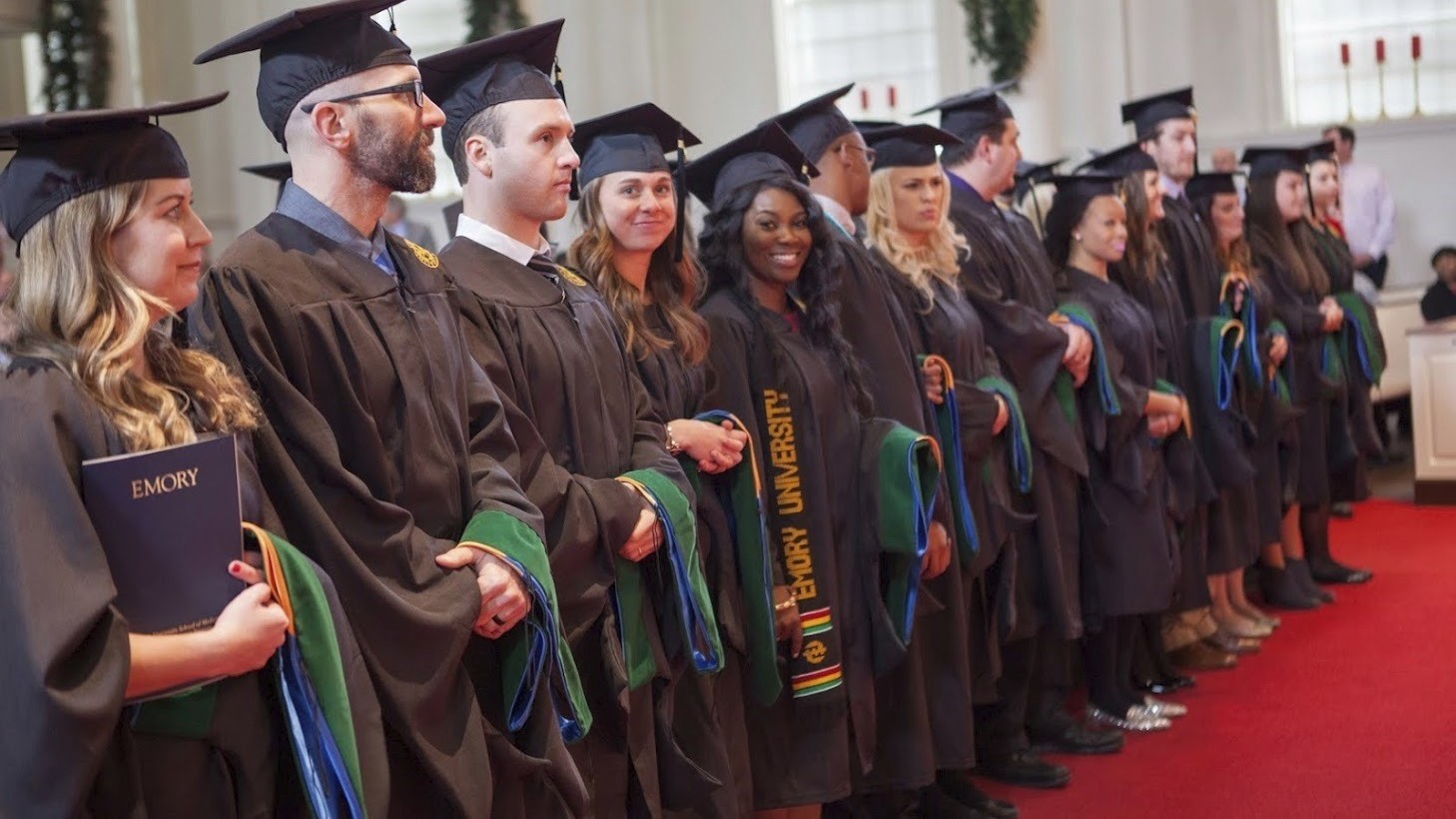
Students benefit from highly skilled faculty educators and advisors to support and guide them through this highly rigorous graduate program. Other complimentary services include access to School of Medicine trained near-peer tutoring provided by second-year PA students, with 53% of students engaging with a trained near-peer tutor at least once in the program. Each student may work with an educational coach through the Center for Holistic Student Success to understand study organization, provide emotional support and referral services for psychoeducation testing. First term metacognition workshops, developed in collaboration with the Emory Center for Humanizing Medical Education (CHIME), help students adopt effective learning strategies tailored to graduate-level education.
Accessible, Inclusive Learning
The curriculum incorporates a variety of lecture-based lectures, case-based learning, flipped classrooms, simulation, and preclinical patient encounters to support diverse learning needs. Eighty nine percent of didactic year students from 2024 and 2025 agreed or strongly agreeing that the faculty provide a supportive and inclusive environment. Weekly faculty-led small group Learning Society classes offer case-based learning, simulation, mentorship and academic enrichment, with ninety three percent of 2025 graduates agreed or strongly agreed that small groups helped them understand module content. Eighty-eight percent were satisfied or very satisfied with their small group experience, and 84% stated small groups were effective or very effective in improving their ability to solve complex problems in the didactic phase of education.
All students interested in working with a professional PA mentor are enrolled into the BRIDGE Mentorship program. Students can be matched with a practicing PA from Emory Healthcare and the broader metro Atlanta area, resulting in hundreds of hours of one-on-one mentoring annually for the class. Professional mentors come from all walks of life and backgrounds and students will be matched based on preferences, needs, and interests. Courses on professional issues, including interviewing, ethics, and assembling a CV set you up for success after graduation and career fairs with Emory Healthcare APP Chiefs prior to graduation are provided to facilitate employment opportunities and connections!
These integrated program supports empower students to thrive academically, professionally, and personally, reinforcing the program’s commitment to inclusive excellence.
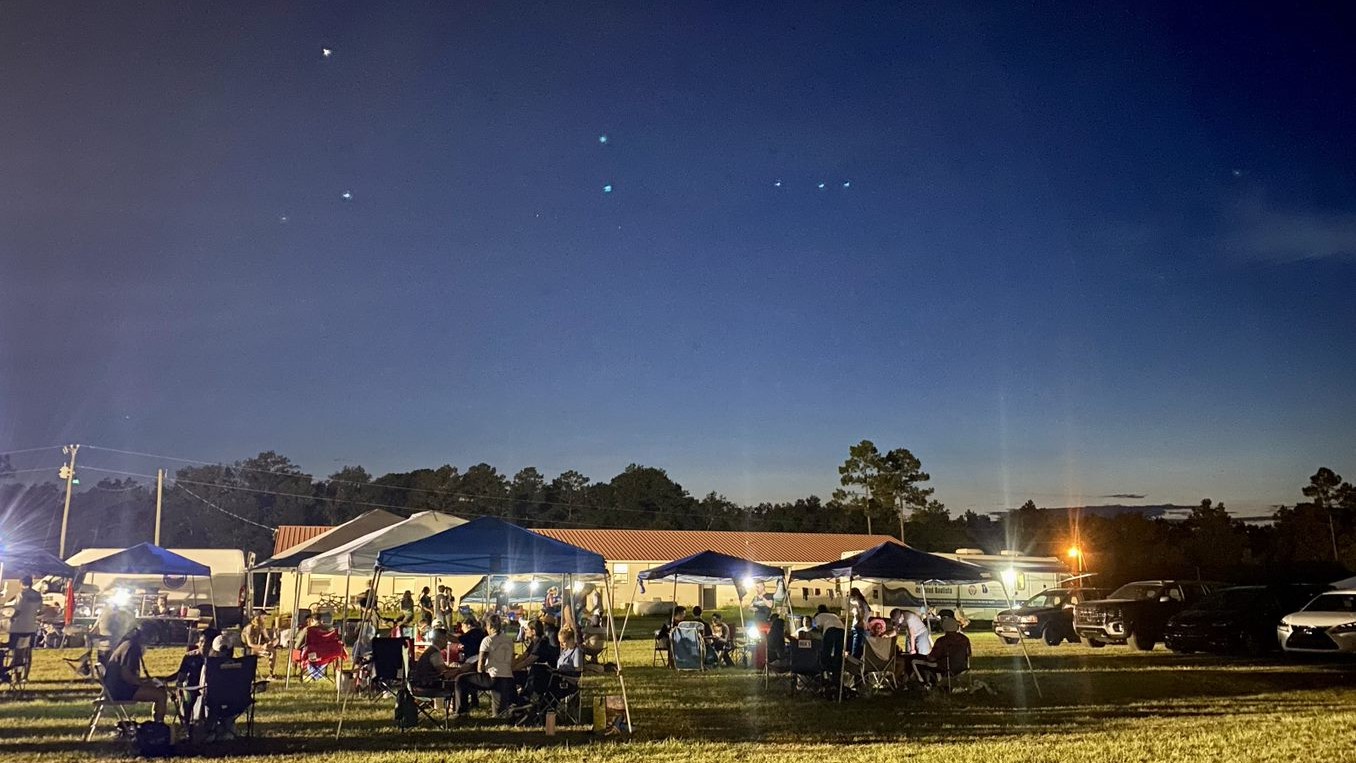
The Emory PA Program integrates community engagement and service into both the didactic and clinical phases of education. A hallmark initiative is the Emory Farmworker Project, which has provided free medical and dental care to over 28,000 migrant farmworkers and their families since 1996. Each summer, more than 200 volunteers—including PA students, faculty, alumni, and other health professions trainees—travel to rural South Georgia to deliver care. Students gain hands-on experience managing chronic conditions, treating injuries related to farm labor, and addressing mental health needs, all within interprofessional teams. The project fosters clinical competence, cultural humility, and a deeper understanding of health disparities.
Closer to campus, the PA Faculty-Student Clinic at The Good Samaritan Health Center in Atlanta offers consistent service opportunities. Since 2006, students have staffed monthly clinics serving uninsured, underinsured, and immigrant populations. Under faculty supervision, students conduct patient interviews, exams, and care planning, while learning to navigate cultural and language barriers with certified interpreters. Eighty-seven percent of students from 2024 and 2025 were satisfied or very satisfied with the opportunities to participate in community service.
Together, these experiences prepare students to deliver compassionate, community-centered care and reinforce the program’s commitment to outreach and service as a core component of PA education.