


Overview
URITeC was created to advance urologic surgery, diagnostic tools, and treatment methodologies. By combining leading urologic surgeons and biomedical engineers in an environment of cutting-edge simulation and hands-on engagement, we are working to build novel tools for the diagnosis and treatment of major urologic conditions.
This center expands Emory Urology's collaboration with Georgia Tech and major industry partners and serves as a hub for developing and testing new technologies in the prototype, pre-clinical, and post-regulatory stages. Additionally, we provide opportunities for surgical training in state of the art urologic procedures.
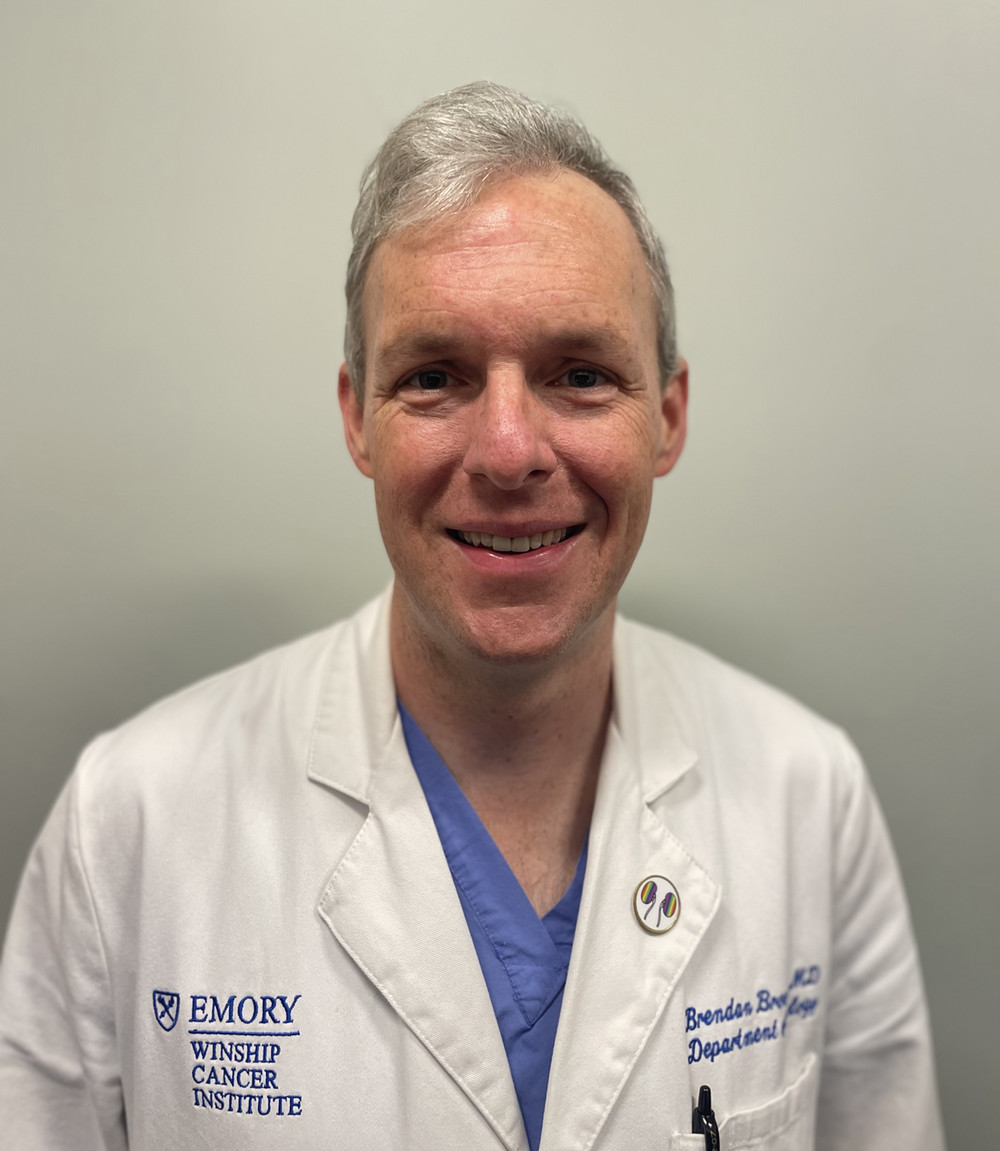
Brendan Browne, MD, MS
Dr. Brendan Browne joined Emory Urology in 2019 with a clinical focus in endourology, including kidney stones and prostatic enlargement (BPH), as well as the treatment of urologic cancers. He established the first HoLEP program in the state of Georgia and has continued to adopt new surgical approaches for common urologic conditions.
Dr. Browne’s education includes a Bachelor's degree in chemical engineering and a Master’s degree in biochemistry, which facilitates engagement with biomedical engineers and researchers of diverse backgrounds. He has used this background with early stage start-up and established companies, working on early stage development, pre-clinical testing design, and device optimization.
Mohammad Hajiha, MD, FRCSC
Dr. Mohammad Hajiha, MD, FRCSC, is an Assistant Professor of Urology at Emory University School of Medicine, Chief of Urology at the Atlanta VA Medical Center. Dr. Hajiha has completed Medical degree and Urology residency training at the University of Toronto. He has completed two years of fellowship in endourology, laparoscopy, robotic, and minimally invasive surgery at Loma Linda University.
Dr. Hajiha specializes in robotic, laparoscopic, endourology for oncological and benign urological disease. His clinical and academic work is driven by a strong interest in advancing innovation in urology through new technologies, minimally invasive surgical techniques, artificial intelligence, simulation, and translational collaboration between surgeons and engineers. He has been involved in local, national and international trials assessing and optimizing surgical technology in urology.
Through URITeC, Dr. Hajiha is helping build a platform to accelerate development, testing, and education around next-generation urologic technologies, with the goal of improving patient care, surgical training, and the future of the field.
