Human Genetics Dispatch
Spring/Summer 2026:
people & funding
|
|
|
|
Welcome to the Summer 2026 edition of the Department of Human Genetics (DOHG) Dispatch.
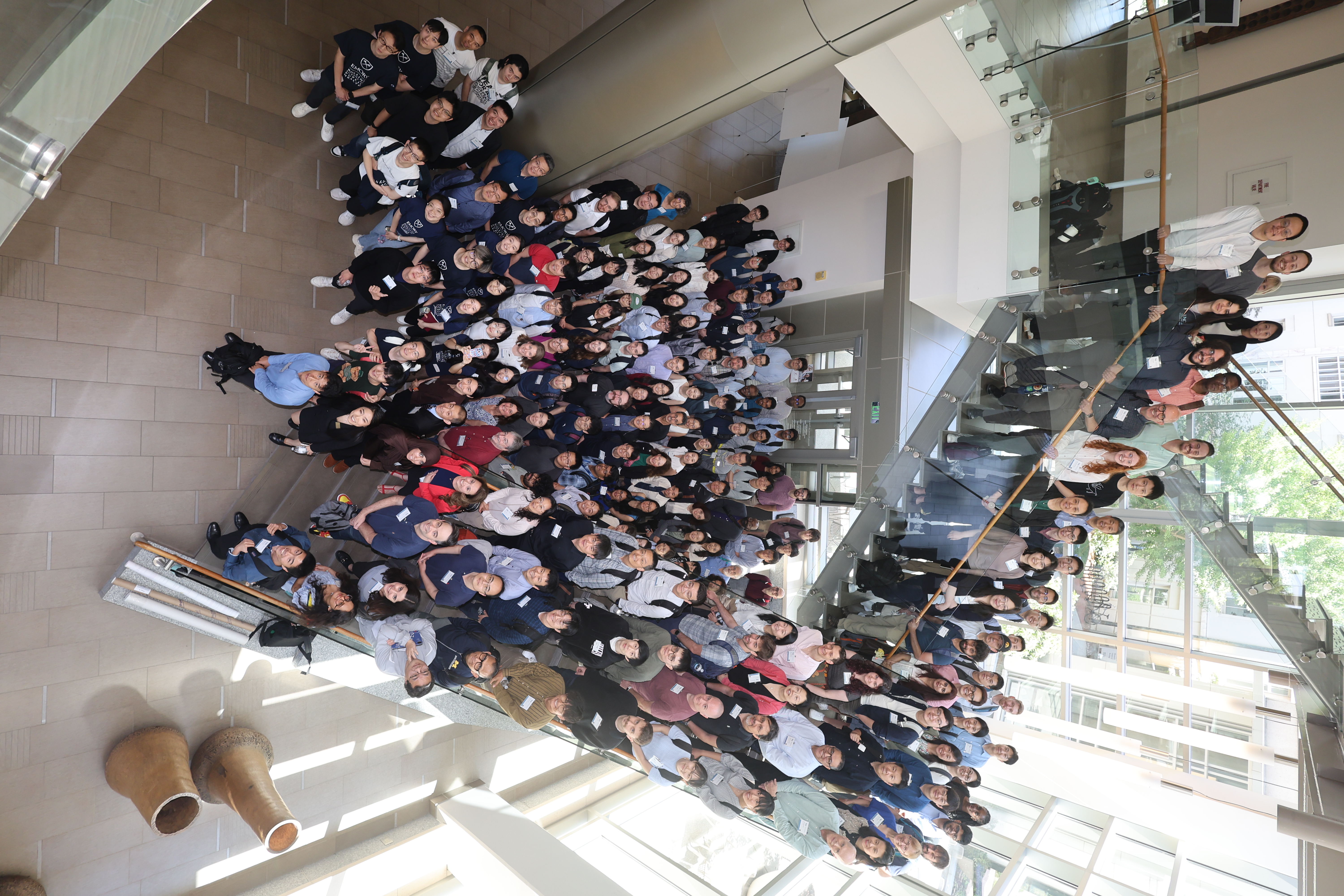
May 31 marked the 35th anniversary of one of the most transformative discoveries in human genetics: the identification of the FMR1 gene and the CGG trinucleotide repeat expansion that causes Fragile X syndrome. This anniversary holds special meaning for our department. In 1991, an international team led by our own Dr. Stephen T. Warren discovered the FMR1 gene, a landmark achievement built in part on the foundations laid by Dr. Stephanie Sherman, who described the unusual inheritance pattern now known as the “Sherman Paradox.” Together, their pioneering contributions laid the foundation for decades of progress in Fragile X research and repeat expansion biology. Once considered an outlier, the CGG repeat expansion is now recognized as the founding member of a family of repeat expansion disorders. In recognition of Dr. Warren’s extraordinary scientific legacy, Emory University School of Medicine named its Fragile X Research Center in his honor following his passing in June 2021. Today, the Stephen T. Warren National Fragile X Research Center continues to carry that legacy forward.
|
|
|
|
As we reflect on 35 years of discovery, we are also looking ahead. We are launching two exciting new initiatives. First, we are in the process of establishing a comprehensive, one-stop clinic for Fragile X families, bringing together pediatricians, OB/GYN specialists, neurologists, psychiatrists and genetic counselors to provide coordinated family-centered care. Second, with the generous support from the Marcus Foundation, we are designing and preparing to launch a pioneering early-intervention protocol for children diagnosed with Fragile X syndrome before six to nine months of age. Drawing on decades of autism research, we believe that early, intensive support holds real promise for improving long-term outcomes. Each eligible child will participate in a structured protocol that integrates clinical assessments, behavioral and neuroimaging biomarkers, genomics, and family support during the first year of life, with intervention beginning as early as 12 months of age. This collaboration with the Marcus Autism Center has the potential to illuminate the relationship between Fragile X syndrome and autism, identify modifiable factors that shape developmental outcomes, and open new therapeutic avenues. These initiatives aim to improve care for Fragile X families while advancing discovery and therapeutic development, a true embodiment of our department’s tripartite mission in research, clinical care, and education.
Thank you for the dedication, creativity, and passion you bring to this work every day. The discoveries of the past 35 years remind us how far we have come; the work ahead reminds us how much more we can accomplish together — not only for Fragile X conditions, but for all rare diseases.
Warm regards,
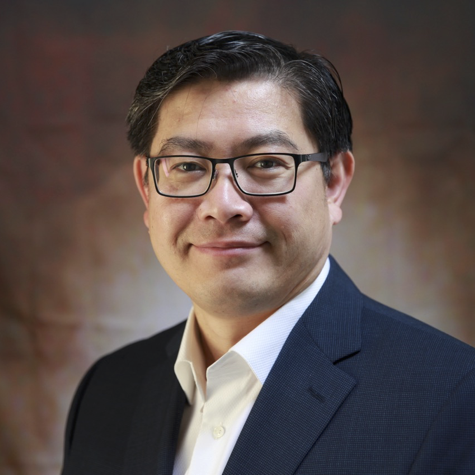
Peng
|
|
|
|
|
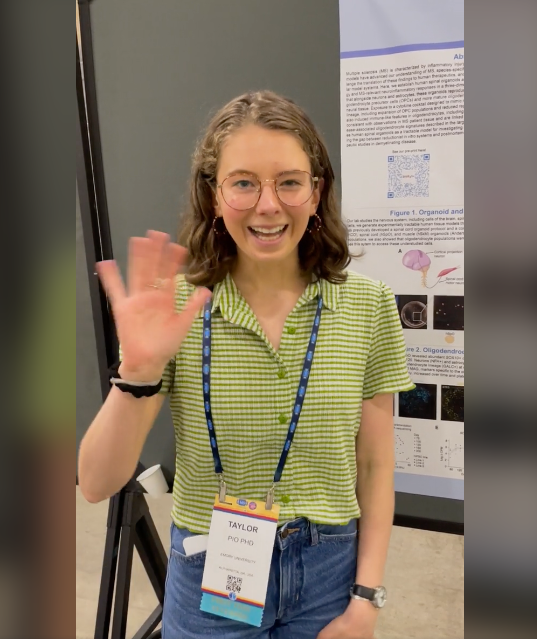
New PhD Taylor Pio presented her poster "Modeling MS-Relevant Oligodendrocyte Responses to Neuroinflammation in Human Spinal Cord Organoids" at the Consortium of MS Centers conference in Charlotte at the end of May.
|
|
|
|
|
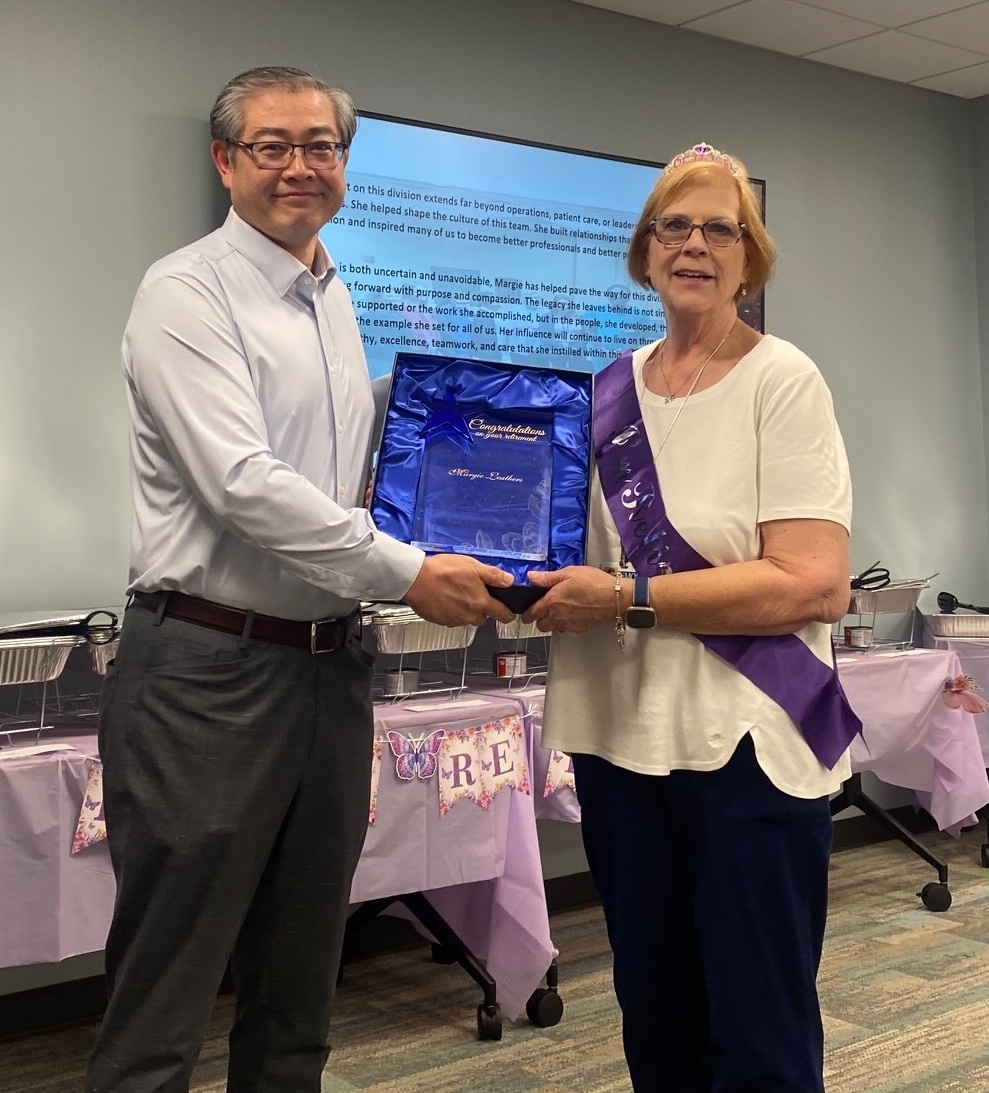
We congratulate Margie Leathers, BSN, RN, CPN on her retirement. Margie served as senior manager of clinical services for the Division of Medical Genetics, after coming from Neurosurgery seven years ago. In 2023, she received a Daisy Foundation award for outstanding service.
At her retirement party, several colleagues highlighted how she had helped them or patients navigate difficult situations. Division admin Mario Lenoir described Margie as a “work mom” to many:
“Margie’s impact on this division extends far beyond operations, patient care, or leadership responsibilities… Her influence will continue to live on through the standards of empathy, excellence, teamwork, and care that she instilled within this organization.”
|
|
|
Also in May, the Rollins School of Public Health hosted STATGEN 2026, the conference held by the American Statistical Association’s Section on Statistics in Genomics and Genetics (SSGG).
Michael Epstein was a keynote speaker and graduate student Leo Liu won an award (2nd place) for his poster: "Integrating dorsolateral prefrontal cortex multi-omics and GWAS summary data reveals novel genetic etiology of Parkinson’s disease."
|
|
|
|
Next Gen update
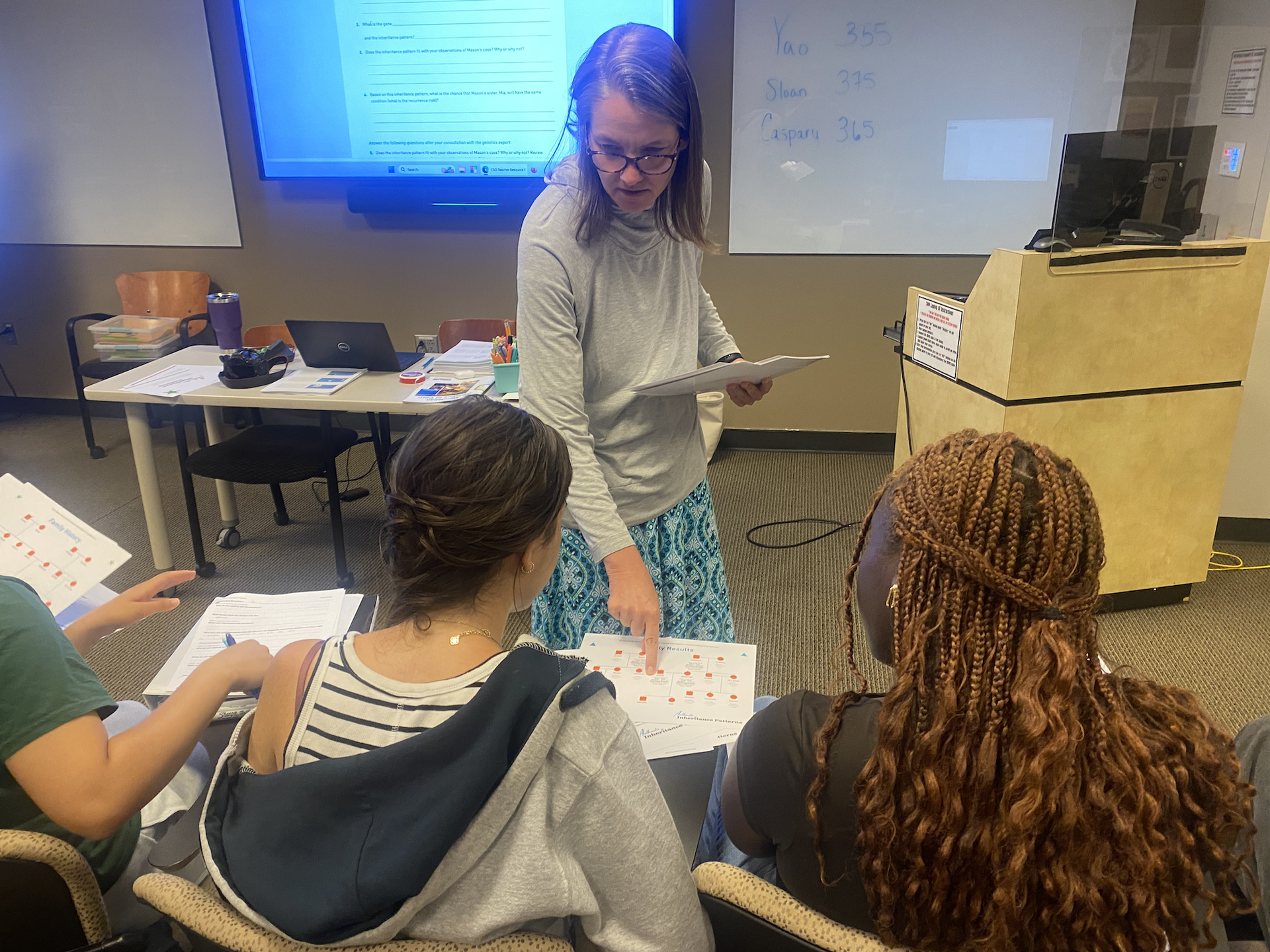
Ten students are part of our Next Gen high school internship program this summer. In the first week of June, they were being instructed by in lab safety and in pedigree analysis. See Emily Allen in action ->.
We'll have more on their activities soon!
|
|
|
|
|
|
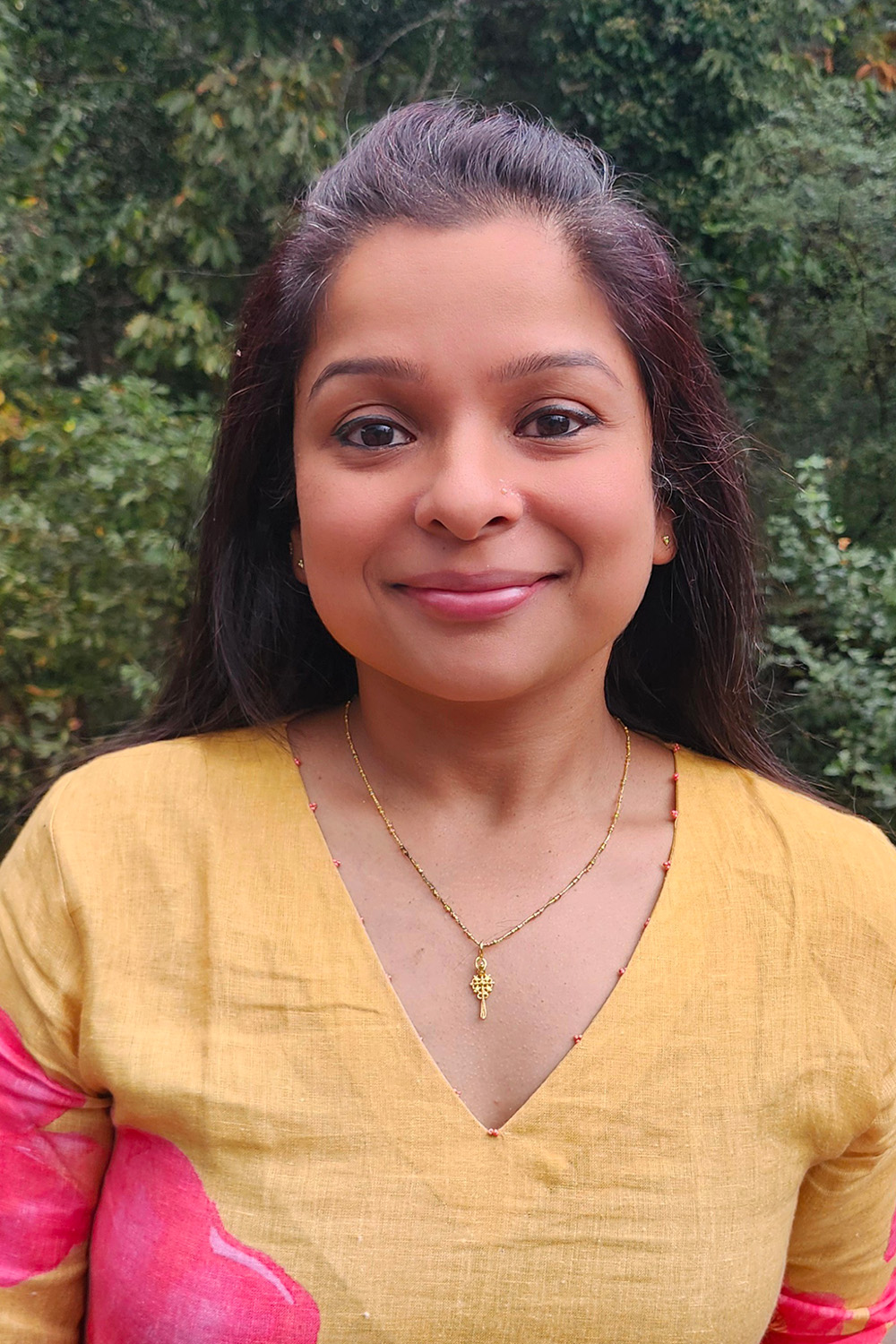
Lily Walson
I am originally from Orlando, Florida, the Sunshine State. My medical education and training have allowed me to travel extensively and live in various states and countries. I earned my medical degree in Kerala, India—the beautiful, lush state where my parents are from, known for its greenery, backwaters, and stunning beaches. Additionally, I hold a Master’s degree in Biological Sciences with an emphasis on molecular genetics from the University of Wisconsin-Milwaukee.
My primary residency training was in internal medicine. I completed my first year of training in Wisconsin and my final two years in Maryland. Following residency, I completed my medical genetics and genomics fellowship here at Emory.
Driven by my dedication to physical health and endurance, I have developed a deep fascination with mitochondrial disorders. I am currently focused on building a dedicated mitochondrial division within our already robust human genetics clinic.
Outside of the clinic, I enjoy hiking, visiting the beach and pool, baking, traveling, and spending quality time with my family. Over the years, I have explored numerous state parks, hiked the Inca Trail to Machu Picchu, and summited Mount Kilimanjaro.
|
|
|
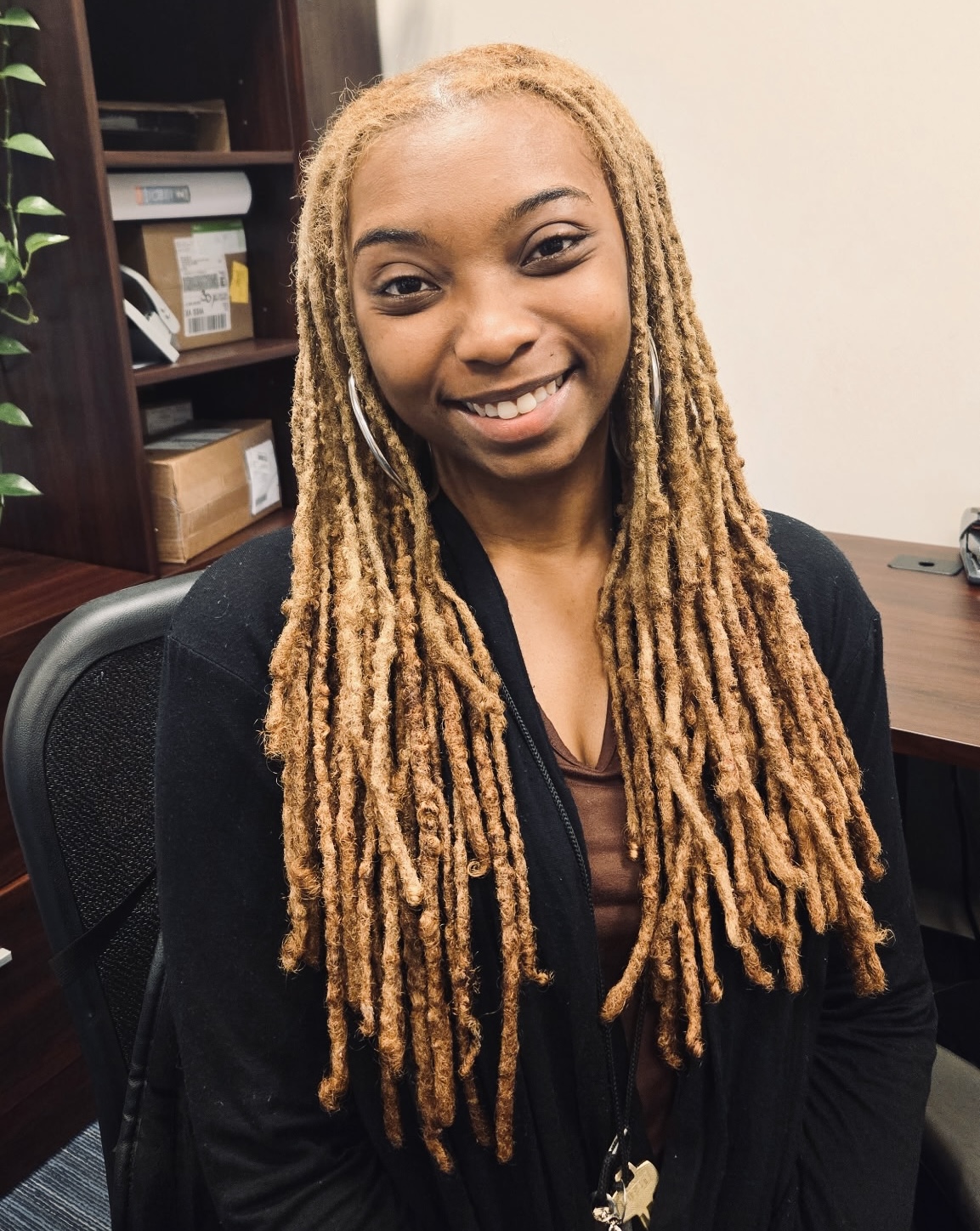
Destiny West
I'm originally from New Jersey and moved to Atlanta at the age of five.
I currently work as an office assistant in the Department of Human Genetics at Emory University, where I support administrative operations and research.
Alongside my professional life, I have a deep love for reading, writing and singing. Singing is a lifelong passion-I come from an entire family of singers, from my grandfather and uncles to my cousins and best friends. I've been performing since age seven, singing at birthday parties and events. I'm still inspired by icons like Etta James, Whitney Houston and Stevie Wonder.
|
|
|
|
|
|
Ray Hernandez
Raymundo (Ray) Hernandez is originally from Arizona, where he attended Arizona State University and began his research career in M. Foster Olive’s Addiction Neuroscience Laboratory while studying the effects of early-life stress on addiction-seeking behavior. He later pursued graduate training in Michelle Olsen’s lab at Virginia Tech, where his thesis work focused on the relationship between CD38 polymorphisms, glial function, and neurodegenerative disease vulnerability, including Parkinson’s disease.
Ray is currently a postdoctoral fellow in Steven Sloan’s lab at Emory University, where he is developing iPSC-derived hindbrain organoid models to investigate how neuromodulatory signaling influences glial development and function in neurodevelopmental contexts. Outside of the lab, Ray enjoys spending time with his family, playing videogames, watching Star Trek: The Next Generation, and exploring local comic book shops.
|
|
|
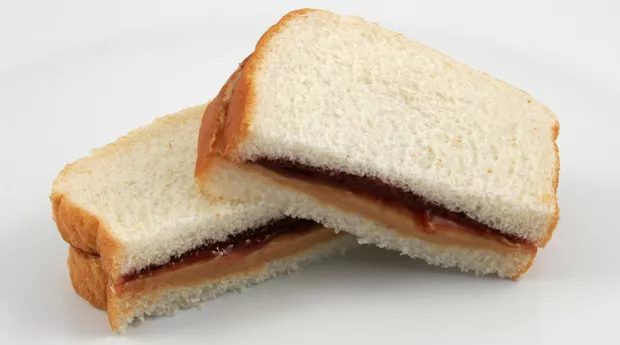
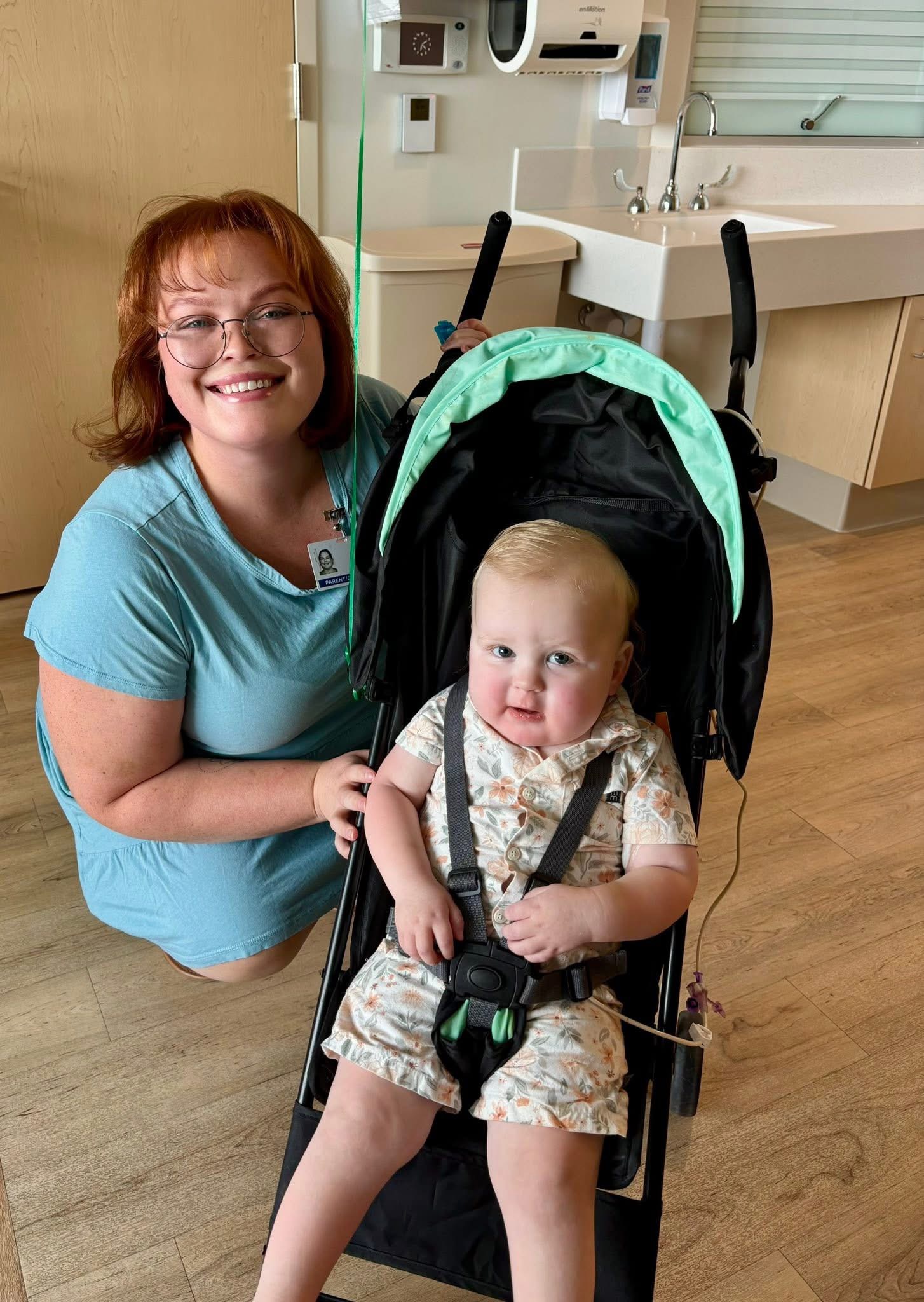
Greyson Goff still has the metabolic deficiency that causes maple syrup urine disease. That is, most of his body does. But after a liver transplant a year ago, he can now eat simple foods like a peanut butter and jelly sandwich. Previously a PB+J would have contained too much protein for his body to handle.
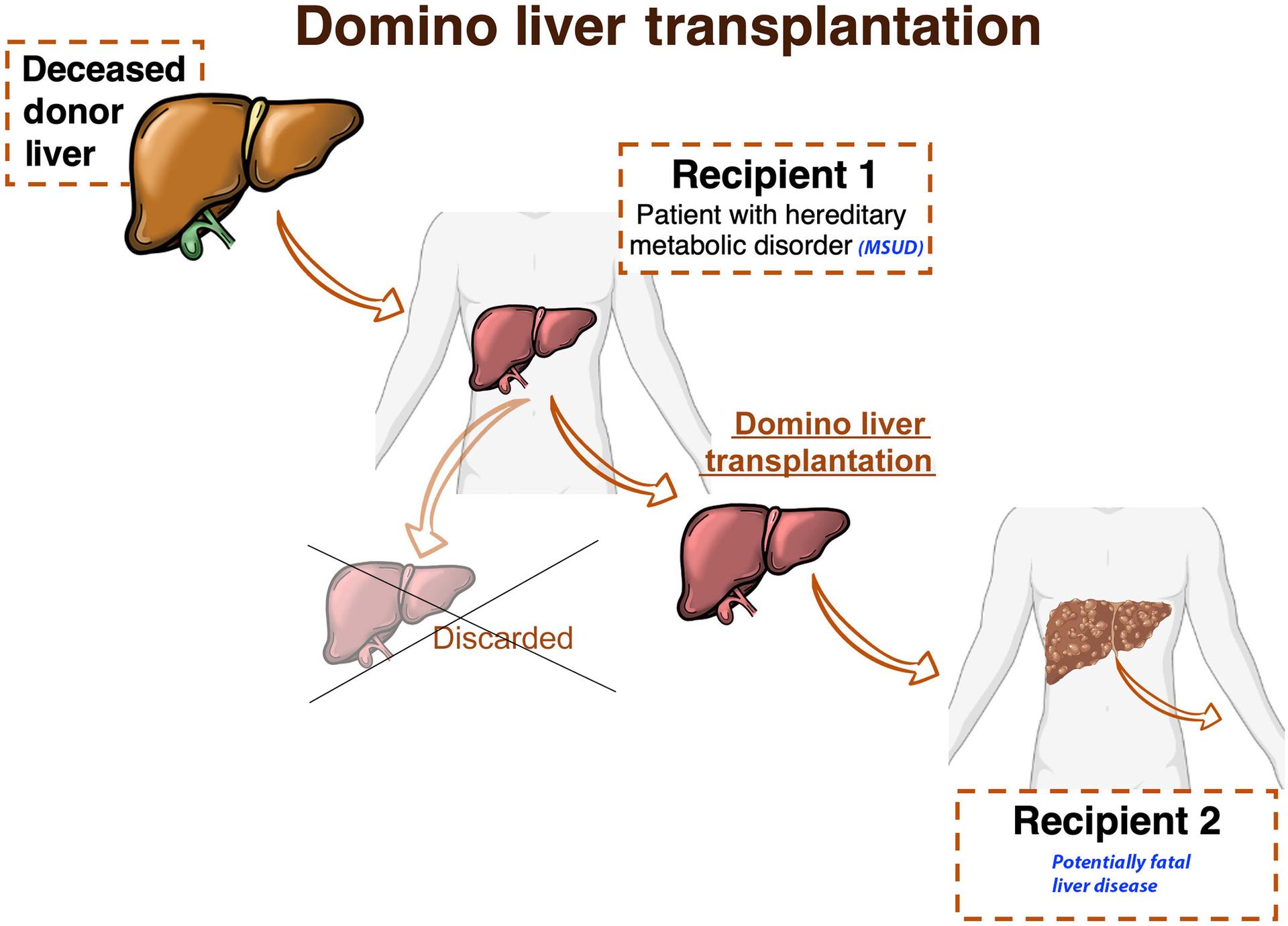
Before his second birthday, Greyson became the youngest known person to be both donor and recipient in a domino liver transplant: a procedure that creates life-saving value out of an organ that would otherwise have been discarded.
|
|
|
|
|
|
Children’s Healthcare of Atlanta specialists managed the transplant – which we will explain more below. However, talking with Greyson’s parents shows the knowledge that our department’s experts provided. Dr. Hong Li, Dr. Rani Singh and post-masters metabolic fellow Ashley Fischer worked with them to manage his nutrition needs until the transplant could be completed.
Within a week of Greyson’s birth in September 2023, his parents began to notice that something was wrong. A few weeks after birth, he had lost weight and was fussy. His diapers did not emit the distinctive smell of maple syrup, which would have provided a clue toward his condition. Georgia’s newborn screening program has included maple syrup urine disease since 1978, but routine testing did not catch it.*
*Greyson’s parents later learned that his screening test was not flagged as positive, because his leucine levels were then just below the threshold.
|
|
|
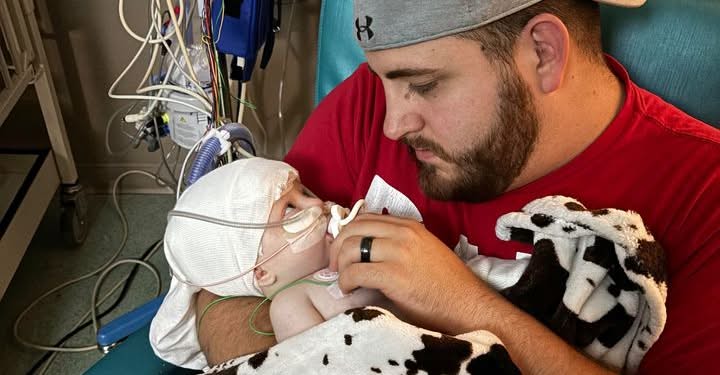
When he was about five weeks old, Greyson appeared to undergo seizures: waves of pain and pauses, followed by a sudden head drop. His parents captured one of the episodes on camera, and headed for a hospital closer to where they lived in central Georgia.
“At that point, we were in full panic mode,” Greyson’s mother Samatha Goff said.
|
|
|
|
|
“Stop feeding him formula immediately”
Electroencephalogram testing showed something was abnormal, but doctors told his parents not to worry. They felt helpless and frustrated. Nurses agreed that Greyson could be having seizures, but one doctor thought his symptoms might be explained by digestive reflux instead.
Greyson’s parents pushed for magnetic resonance imaging, which revealed cerebellum and brain stem swelling consistent with a metabolic disorder. Doctors ordered tests for levels of amino acids in his blood, as well as genetic testing.
|
|
|
Greyson had been in the hospital for a couple weeks, and then was discharged. But shortly afterwards came a critical phone call from the medical geneticist at the hospital: “Stop feeding him formula immediately – it’s killing him. You need to come back here now.”
“We made what is usually a two hour drive in about an hour,” Greyson’s father Kolby Goff said.
Greyson’s test results had come back, and his amino acid levels were very high, leading the hospital’s geneticist to contact Emory’s Medical Genetics team for consultation. DNA testing later confirmed that he had maple syrup urine disorder (MSUD): an inability to metabolize branched-chain amino acids such as leucine, isoleucine and valine, with leucine being the most toxic. Leucine had been building up in his brain, and brain swelling caused by the toxicity was likely driving his seizures.
“The whole emergency department ran in and started getting lines, labs, cultures, urine samples,” Samantha Goff said. “He was given a scalp IV, which we called his little antenna.”
Despite the urgency of the situation, the hospital where they were had no resources on hand for managing MSUD, such as specialized formula or metabolic supplements.
“We were able to send the specialized formula and supplies overnight, while guiding the local team with an immediate nutrition management plan to help lower leucine quickly and protect his brain from further injury,” Dr. Singh said. “His family was deeply engaged and eager to learn, which was central to his care.”
“Emory basically took the lead and gave us a game plan,” Samantha Goff said.
After Greyson’s discharge, his parents were told to go to Atlanta for follow-up care, because of his specialized needs. Even then, they had to surmount several hurdles. His oxygen levels dropped enough while feeding that he was hospitalized and sent home with a nasogastric tube and oxygen. Despite social distancing, he caught COVID-19 while visiting family in Missouri. A nutrition formula change led him to lose half his body weight, which took four months to gain back. His family spent so much time in the hospital that his two older sisters went to stay with their grandparents for months at a time.
|
|
|
|
|
Sword of Damocles
In the summer of 2024, Greyson’s parents attended a symposium on MSUD for affected families. A transplant specialist from Pittsburgh gave a presentation on UPMC’s track record of more than 100 such cases. That same specialist, George Mazariegos, had written:
“Even under ideal clinical circumstances, classical MSUD is a volatile and dangerous condition that hangs like a sword of Damocles over the child and family. Cases of serious brain disease reported in this cohort are a stark reminder of the fear and anxiety that families live with daily.”
As a relative newcomer, Kolby Goff said he got the impression the community was split on whether liver transplant was a good solution for MSUD. To him, it seemed like exchanging one serious condition, with severe dietary restrictions and risk of neurological damage, for another requiring lifelong immunosuppression.
|
|
|
Back to back
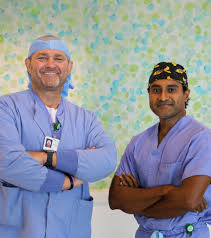
At the end of 2024, the family began the process of making Greyson eligible for a liver transplant. Around this time, they met Childrens’ Healthcare of Atlanta transplant specialist Bhargava Mullapudi, and later, his colleague Richard Hendrickson. They praised the pair for their patience -- unlike some other doctors they had encountered, they had the patience to explain or draw diagrams depicting what was being planned (see below).
After a false start in March when the family prepared for a donor liver that fell through, Greyson underwent surgery in May 2025. First performed in Portugal in 1995, a domino liver transplant takes advantage of how the liver of a patient with MSUD can still fulfill the organ’s functions – in a recipient without MSUD. The procedure is considered a living donor transplant, which facilitated eligibility for the second child, who had a rare, potentially fatal liver disease. A living donor transplant also can be better controlled, minimizing the length of time when blood flow to the organ is interrupted.
|
|
|
|
The back-to-back procedures took almost 24 hours: 12 for Greyson, 12 for the domino recipient. The two families did not meet at that time, but met briefly at the transplant clinic a couple months later.
Greyson’s family has not contacted the family of his deceased liver donor. They are waiting until a year has passed after the transplant.
“We’re aware that for them, it was their worst day,” his mother said. “They gave our child a second chance and we are forever grateful.”
|
|
|
Simple pleasures
After the transplant, Greyson was in the hospital for two and a half months. He was able to sit up and be held by his mother about a week after the surgery. He had complications from surgery because of lymph drainage problems, and also had a breathing tube put in for partial lung collapse. The family eventually sold their house in Georgia and moved to Kansas City, Missouri, where Greyson’s grandparents live.
Greyson must take anti-rejection medications such as tacrolimus for the rest of his life. Immediately after the transplant, he was on 22 individual medications. That number is down to five. In May 2026, he was scheduled for a liver biopsy and biliary stent removal. This could allow further reduction of his medication burden.
On the bright side, the boy now can eat foods that a typical American toddler eats. He loves to eat chicken, bread and fruit -- especially bananas, his parents said. For his first birthday, he had a toy cake, since he couldn’t swallow safely and his protein intake was limited, but for his second birthday, he was able to have a real birthday cake.
“For families living with MSUD, diet liberalization after transplant means more than eating a normal diet,” Dr. Singh said. “It means less fear, more normal family experiences, and a new sense of freedom.”
|
|
|
Catching up
Greyson’s developmental milestones were initially delayed, in terms of sitting up and rolling over. He took his first steps at around 18 months. In addition to MSUD, he has a “likely pathogenic” variant in NeuroD2, which encodes a transcription factor regulating neuronal differentiation.
Clinical reports on patients with pathogenic variants in NeuroD2 list features including seizures, intellectual disability, autistic traits and delayed speech. His parents said that the information appeared at first as a “death sentence.” Still, phenotypes of NeuroD2 variants vary in severity, and it is unclear how much the NeuroD2 variant has impacted his development. Compared to other children his age, he has steadily caught up over the last 18 months and is no longer developmentally delayed or needing therapeutic support.
|
|
|
|
The pegzilarginase drought is over
|
|
|
“Not that bad. It was so quick!”
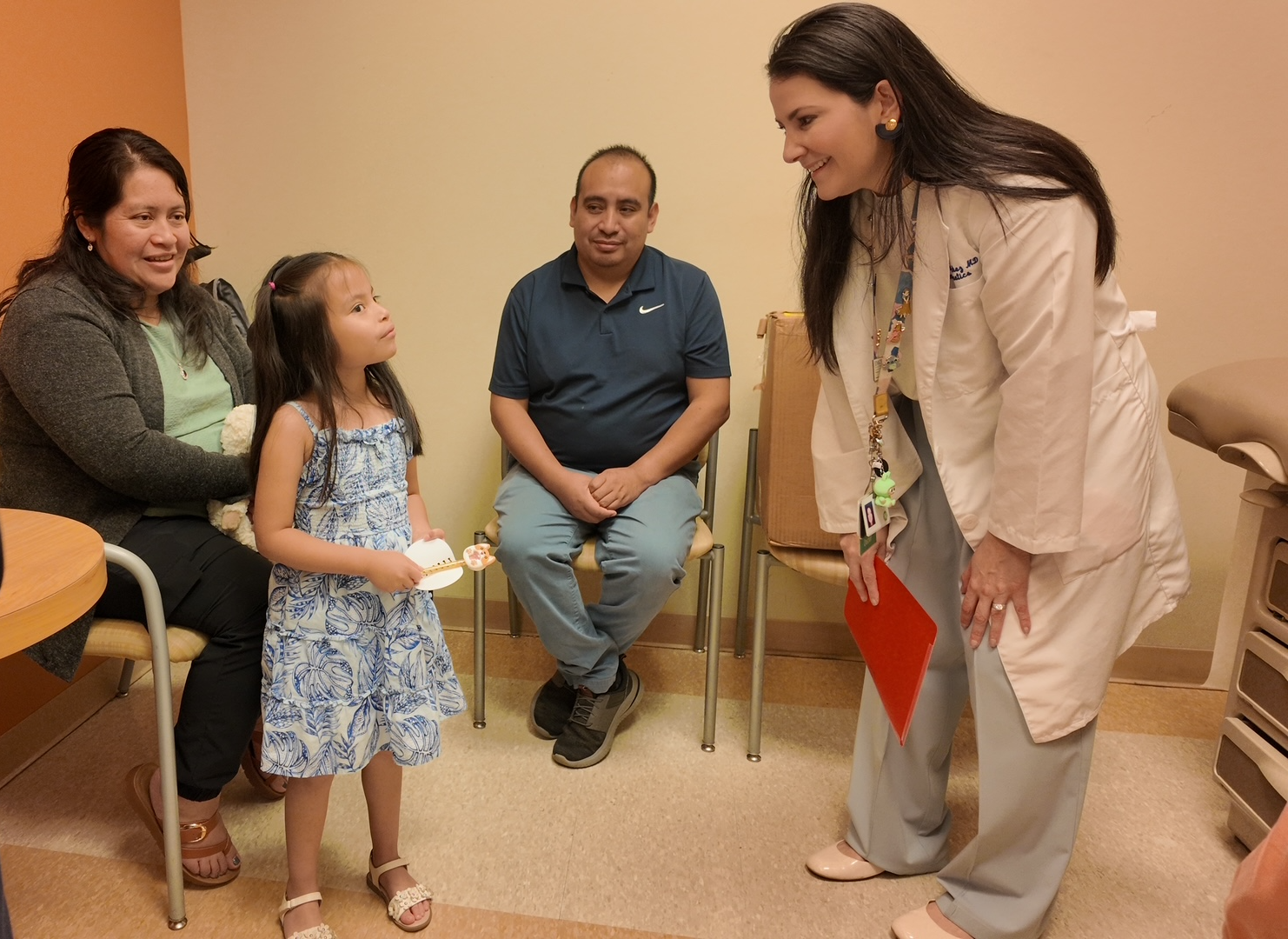
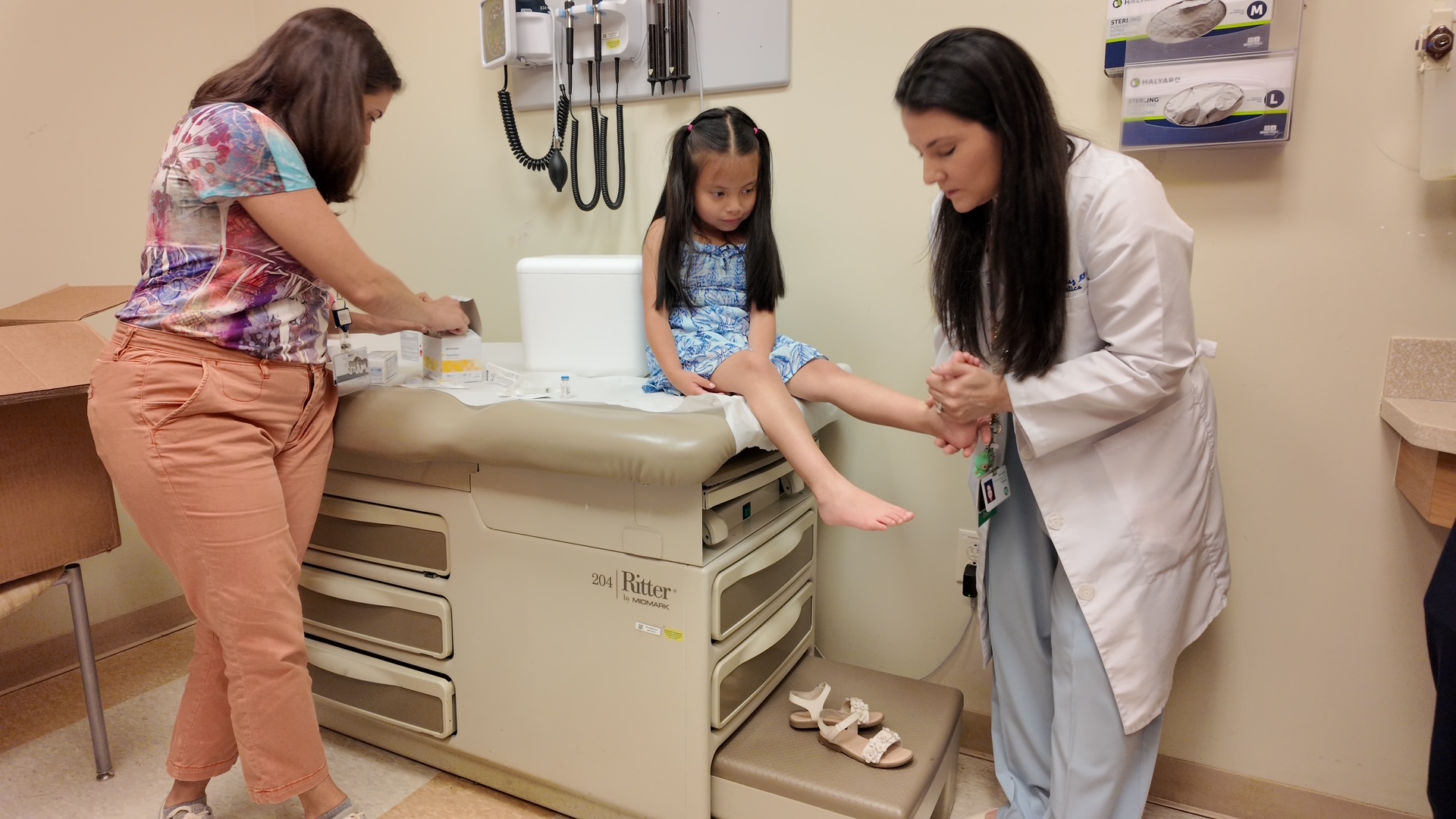
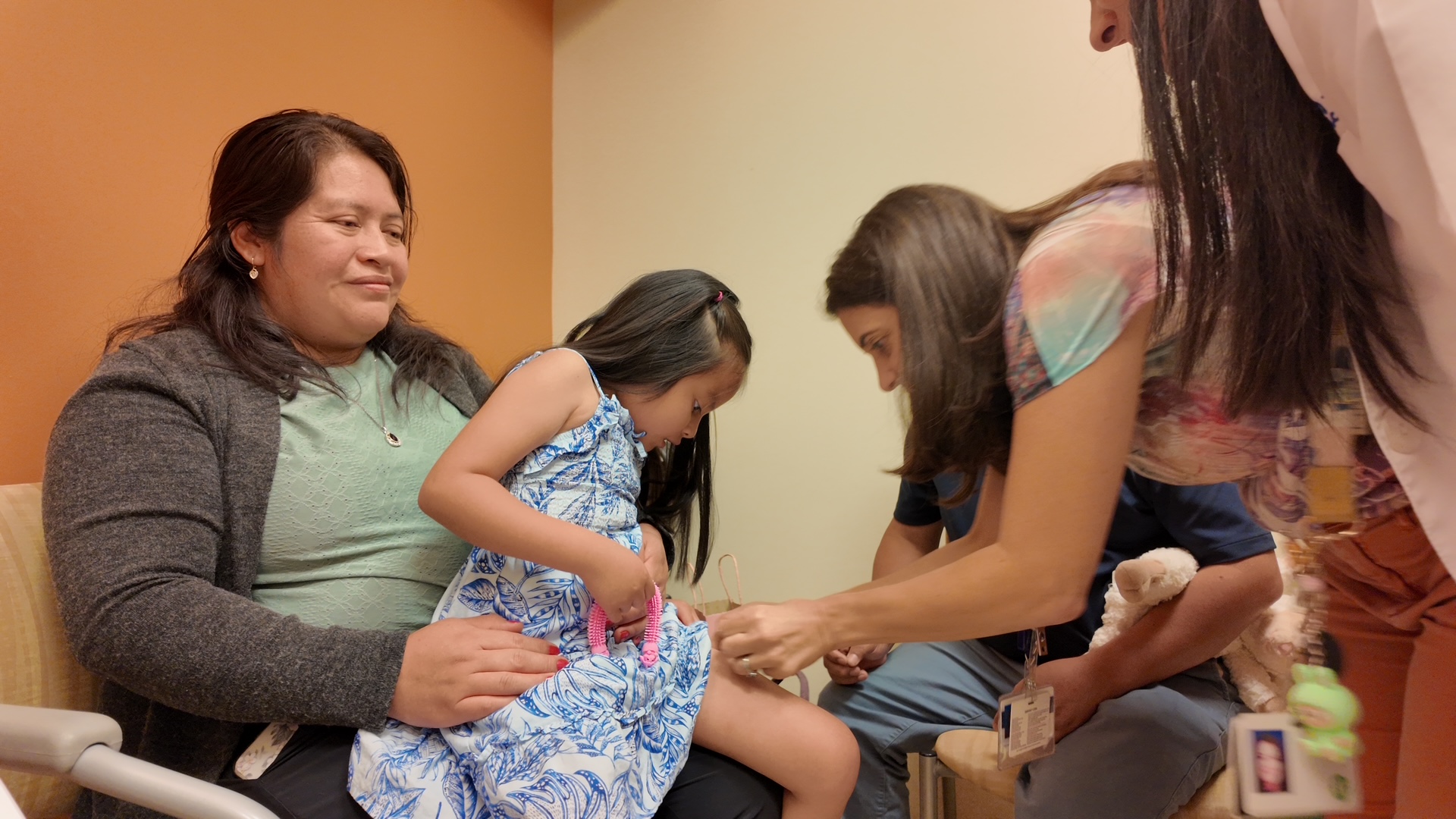
On Friday, May 29, we were able to witness a special event. Rossana Sanchez Russo and Jessica Broth gave 7-year-old Scarlett Alonso a dose of pegzilarginase/Loargys: a newly FDA-approved enzyme replacement therapy for arginase deficiency. Scarlett was the youngest participant in the pivotal clinical trial for Loargys, and had not received a dose for more than two years. Arginase deficiency is a genetic metabolic disorder; a main goal of enzyme replacement therapy is to prevent any additional neurological complications.
In the interim, Scarlett and her family managed only with a restricted low-protein diet. Her parents report that in the last year, she has started to have leg pains, which limit her mobility and wake her up at night. She will get the enzyme injection in the clinic weekly for the first two months (monitoring for adverse reactions), and is then supposed to transition to home delivery.
|
|
|
|
Four genetic disorders at once
|
|
|
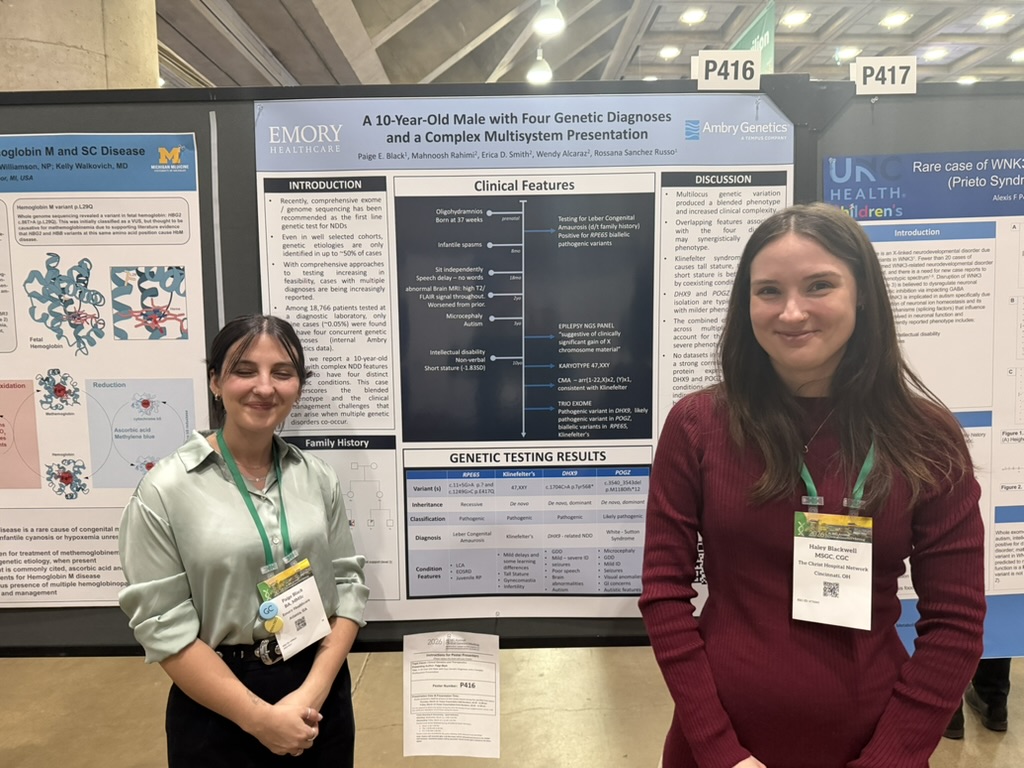
Paige Black and visitor Haley Blackwell at ACMG
|
|
At the ACMG meeting, Paige Black presented a poster on a now 11-year-old patient with four genetic disorders: a full extra X chromosome (Klinefelter syndrome), pathogenic heterozygous variant in DHX9 (neurodevelopmental disorder), likely pathogenic heterozygous variant in POGZ (White-Sutton syndrome) and compound heterozygous variants in RPE65 (retinopathy).
The patient initially came to the Emory Genetics’ eXtraordinarY clinic because of Klinefelter’s, although he had been previously tested for RPE65 variants early in life because of family history of retinopathy. While Klinefelter syndrome typically causes tall stature, this patient’s short stature and additional phenotypes were better explained by coexisting monogenic conditions.
|
|
|
The diagnostic odyssey for this patient included five different genetic testing methods, but detection can now be accomplished with exome and microarray alone. This case supports the 2025 American Academy of Pediatrics genetic testing guidelines, which recommend concurrent microarray and exome sequencing as first-line tests for children with neurodevelopmental disorder or intellectual disabillity.
|
|
|
TCF20 Family Meeting and Foundation
Hong Li and Jian Zhou are working with families of patients with TCF20 variants to organize a family meeting in September. A TCF20 Foundation is being established. One of the parents is scheduled to visit from Chile in July. More details to come!
(TCF20 encodes a protein interacting with Rett syndrome culprit MECP2; TCF20 pathogenic variants can lead to developmental delays and ASD.)
|
|
|
Georgia newborn screening program stalls on new disorders
We had a very informative Grand Rounds about Duchenne muscular dystrophy in April, featuring Sumit Verma from Pediatrics and including Angela Wittenauer, Hong Li and Mari Mori discussing newborn screening issues. Despite recent changes on the national level, the push for DMD newborn screening in Georgia has stalled.
The state newborn screening advisory committee voted in January to add DMD for a three-year pilot study. State legislative leaders did not act on the recommendation, according to committee co-chair William Wilcox. This may have been because of the estimated cost of about $1.8 million per year.
The advisory committee also recommended adding Fabry and Gaucher for two-year pilots, but the Department of Public Health did not bring those proposals to the legislature -- so they were neither accepted or declined.
Florida genomic newborn screening launching this year
The Florida pilot program established by the Sunshine Genetics Act is supposed to screen 100,000 newborns for about 750 conditions. The program is co-led by Pankaj Agrawal from University of Miami and David Ledbetter from Florida State (previously at Emory). Extensive discussion of the program on the DNA Podcast (May 2026).
|
|
|
Thank you for your attention
Comments or edits for this newsletter, or suggestions for the next one: contact Quinn Eastman qeastma@emory.edu
|
|
|
|